The Myth That Every Neighbourhood Needs One Big Event
Neighbourhood community can grow through small, repeated encounters. Try a weekly rhythm that makes it easier for neighbours to connect at their own pace.
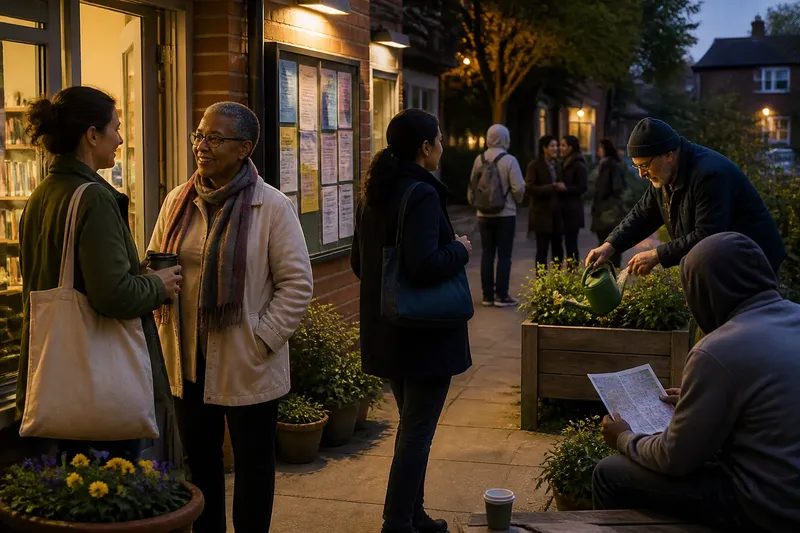
Neighbourhood community can grow through small, repeated encounters, not just one big event. A brief hello outside the library or a shared task in a community garden can give neighbours an easy reason to recognise one another.
A large gathering suits some people, but it asks them to find the time, get there and feel comfortable joining in. A gentle routine can offer different ways to take part without turning everyday contact into another obligation.
Connection beyond crowds
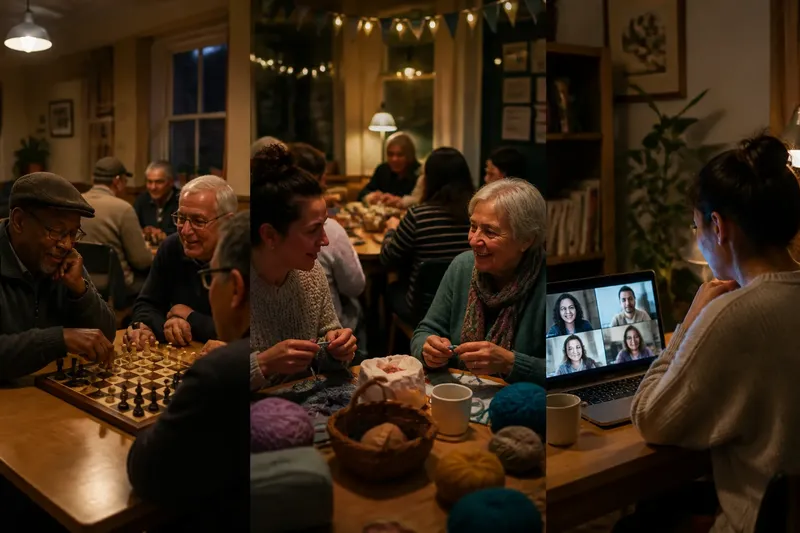
People may be working, caring for someone, managing mobility needs, feeling shy or simply preferring a quieter setting. A brief, familiar encounter can suit them better than a crowded hall.
Small points of contact lower the social stakes. A regular litter pick, a chat outside the library or a greeting at the school gate can make a place feel less anonymous. Recognition and a little trust matter even when they do not lead to close friendships.
A one-off event may also leave a few organisers carrying most of the work. A light routine can be shared among people with different availability, and it can pause when nobody has time.
A weekly rhythm
This is a week-long cycle of prompts, not a list of daily activities. Choose one or two prompts that fit your neighbourhood, then repeat or adapt them from week to week. There is no need to arrange something every day.
- Notice a useful moment. Look for a place where neighbours already pass through, such as a library entrance or community garden gate. If a brief hello can happen without blocking access or taking over the space, consider using it; otherwise, choose another location.
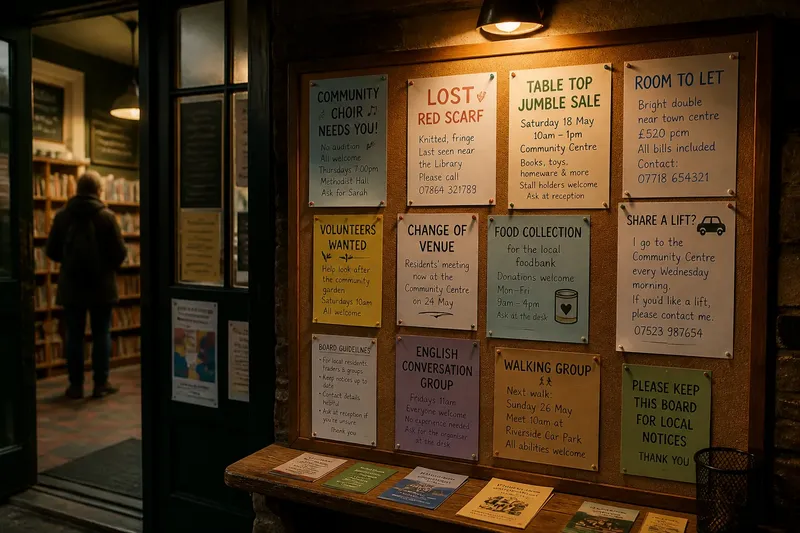
- Invite without pressure. Draft a short notice for a residents’ association email or community noticeboard. If it names the activity, place and option to drop by briefly, share it; if those details are unclear, revise it first.
- Offer a practical exchange. Consider watering a communal planter or swapping spare seed packets. If the task is optional and people can join without staying for conversation, offer it; otherwise, simplify the activity.
- Provide a quiet option. Consider a community centre foyer or library table where someone can sit or read a notice. If the space is calm and accessible, use it; if not, ask about a more suitable place.
- Ask what felt easy. Invite participants to mention what helped and what got in the way. If they identify a clear barrier, adjust the next invitation or location; if no one has feedback, keep the plan simple and ask again later.
- Leave the weekend open. Check whether people already use a park, market or shared path in their own way. If an added activity would compete with those routines, leave it out; if neighbours have asked for a gathering and someone can organise it, consider one.
Say a few residents notice people waiting outside a neighbourhood food pantry while it opens. They ask the pantry team whether a small table with a local map and spare pencils would be useful. If the team agrees, they set it up without blocking the entrance; waiting neighbours can browse the map or stop for a short chat. The observable result to look for is whether people use the table or exchange greetings. If it gets in the way, the residents can remove it and ask about another way to share local information.
Small contacts that count
A useful routine makes room for different temperaments. Some people enjoy conversation; others would rather help with a task, read a notice or say hello and move on. Let each kind of participation count.
Choose an activity with a natural reason for being together. A shared task gives people something to focus on besides conversation. Neighbours might take turns putting out a free-library box or tending pots outside a community centre, if the venue allows it.
Keep the invitation concrete. “Come and meet the community” can sound like a social test. “We’ll be at the garden gate after work; stop by to water the pots or have a quick chat” tells people what to expect. Make clear that coming is optional.
When are big events useful?
Does a neighbourhood need an annual gathering?
Not necessarily. A seasonal picnic or shared meal can be pleasant, but it need not carry the whole burden of community life. Hold one if neighbours want it and someone has the capacity to organise it.
How can a routine include people who cannot attend?
Offer different routes in, such as a brief daytime activity, an evening hello or an update through a community noticeboard. Ask what makes participation difficult, then adjust the invitation instead of assuming disinterest.
What if only a few neighbours take part?
A small group can still create a useful point of contact. Keep the activity proportionate to the people who show up, and do not treat a quiet turnout as evidence that the neighbourhood does not care.
How can organisers keep participation optional?
Use open invitations, welcome brief visits and let people decline without explanation. Present the activity as one option, not a duty attached to living nearby.
Keep the rhythm sustainable
A routine should be easy to pause, adjust or hand on. If one neighbour is always arranging the space, sending reminders and bringing supplies, share small responsibilities where others are willing, or let the activity shrink.
Consider who can comfortably use the chosen place. A step-free entrance, nearby seating, a clear route and a quieter corner can matter more than an ambitious programme. If the activity uses a managed venue or shared land, check its rules and ask the relevant staff or organisers before setting anything up.
Notice ordinary signs of connection: someone being greeted by name, a neighbour knowing whom to ask about a lost parcel, or a newcomer hearing about a local service. Neighbourhood community grows through these small encounters as well as through occasional gatherings. Keep the weekly rhythm flexible, and let the people who use it shape what happens next.