Why a Bench Changes the Way a Square Is Used
Bench placement in a square can make a pause more comfortable. Learn how position, facing and clear access help a seat serve different people.
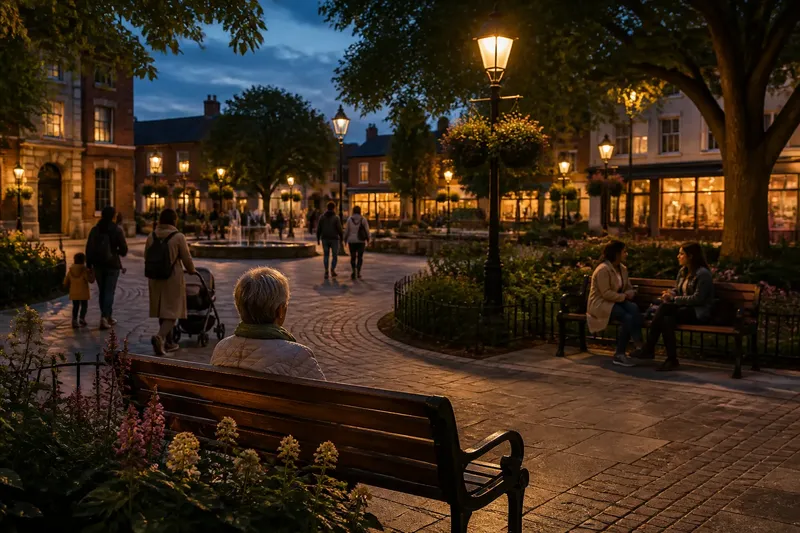
Bench placement in a square can decide whether someone stops for a moment or keeps walking. A seat beside a garden may invite a quiet pause, while one aimed at a blank wall or placed across a busy route can feel awkward. The best position depends on what people need from that particular corner.
Watch the square
Before suggesting a new bench or moving an existing one, notice how the square works at different times. Look for places where people wait, meet, slow down or avoid lingering. A corner that seems quiet early in the day may be busy when nearby shops open or children leave school.
Pay attention to walking routes. A bench directly across a narrow path can feel like an obstacle; one just outside the main flow may offer a rest without making people weave around it. Note entrances, crossings, bus stops and planting beds, too.
- If people regularly pause near an entrance, consider a seat nearby; if that would crowd the doorway, look for another waiting spot.
- If prams or mobility aids need to pass along a route, keep the route clear; if a proposed position narrows it, choose a different location.
- If a corner gets useful shade, consider it for a longer stay; if it is exposed or windy, look for a more comfortable setting.
- If people want to watch activity, choose a position with a clear view; if they seem to prefer privacy, consider a quieter outlook.
- If a busy edge is noisy, place a seat away from it where possible; if moving it would obstruct another route, retain the clear route and reconsider the seat’s purpose.
- If the square has both lively and quiet corners, consider different seating positions; if only one location is available, decide which use matters most there.
These observations reveal that a square may need more than one kind of seat. A bench near an entrance can suit someone waiting briefly. A quieter edge may work better for reading or resting away from the centre of activity.
Choose a position
Position determines what a bench is close to and how it fits into movement. Near a path, it can serve walkers taking a rest. Near a play area, it can help carers stay close while leaving room for play. Beside a garden or fountain, it can make that feature easier to enjoy.
Consider the approach as well as the view. Someone should be able to reach the seat and sit down without blocking the route behind them. A bench right beside a busy path may feel exposed; one too far away may feel disconnected from the square.
Think about the view from the seat, not only how it looks to passers-by. Some people want to watch activity; others prefer trees or planting. A square can offer both through seats in different settings.
Set the facing
Orientation shapes whether people face one another, share a view or sit alongside passing activity. A bench facing a path makes watching the square easy, but may feel less private. Two benches facing each other can support conversation, though they may feel exposed in a busy spot.
Angled seats offer a middle ground. People can acknowledge one another without being obliged to make eye contact, while still looking towards the square. This can suit visitors who arrive alone as well as those meeting someone.
Consider sunlight, wind and nearby lighting before settling on a direction. Direct sun in someone’s eyes can make an attractive view uncomfortable. A tree or canopy may offer cover, though shade and surrounding conditions change with the seasons.
Leave room around it
A bench is part of a small setting, not an isolated object. Keep nearby paths clear, and avoid blocking a doorway or a place where people need to turn. Where possible, leave space beside the seat so someone using a mobility aid can sit with a companion rather than apart from them.
Nearby features affect comfort, too. A litter bin can be useful, but too close may make a seat unpleasant. Planting can soften a busy edge, while dense shrubs that block sightlines may make a corner feel less welcoming. Lighting should help people see the route and one another; ask the responsible council or site manager about public-space fixtures.
For changes to a public square, check permissions and relevant accessibility guidance with the responsible authority or site manager before selecting or moving furniture. Consider how the seat can be inspected and kept clean.
Try a small adjustment
If a bench is already in place, work out whether its position or facing is the problem. A useful seat may point towards a busy route and feel exposed. If a trial move is permitted, involve people who use the square and consider how the revised setting works at different times.
Say a neighbourhood square has one bench facing a busy road, and people tend to stop only briefly. Imagine the caretaker is authorised to turn it towards a planted edge. The caretaker checks the walking route, makes the change and watches whether people can enjoy the garden view while passers-by still move through comfortably. If the new position creates a pinch point, the caretaker returns the bench to a permitted location that leaves the route clear.
A paper sketch can help a group compare options before furniture is moved. Mark paths, entrances, trees, doors and existing seats. Draw possible bench positions, then ask who each arrangement might suit, including people who need space beside a seat or prefer not to face strangers.
What should a bench invite?
Where should a bench go in a square?
Look for a spot near something useful, such as a path, garden or waiting place, without obstructing movement. Choose according to the square’s routes, shade and everyday activity.
Should benches face each other?
Facing seats can support conversation, but may feel too direct in an exposed or busy spot. Angled or side-by-side seating can make conversation easier while preserving a view of the square.
How can a bench welcome more people?
Keep the approach clear, leave room beside the seat and consider different needs for shade, quiet and views. A mix of settings can serve more people than identical seating in one kind of place.
How can a community assess a layout?
Ask people who use the square what feels comfortable or awkward. Notice whether routes remain clear and whether the seat supports the purpose intended for it.
Keep its purpose clear
Bench placement in a square is easier to judge when the purpose is specific: a quiet pause, a view of play, a place to wait or a chance to talk. Not every seat needs to do the same job. Before settling on a position, ask who might use it, what they should be able to see and whether they can reach it without obstructing anyone else.